
You’re already familiar with home workouts, meal prep, and the gym, but since entering menopause, losing weight just isn’t working as well anymore. What’s the reason? Here’s the fact check.
A little less snacking, a little more exercise. Just a few years ago, that was enough to get you back to your ideal weight in a few days. And today? Not a chance. What’s going on?
During menopause, your hormones go haywire, and the resulting imbalance is precisely what thwarts your weight loss efforts. Your egg supply dwindles, and estrogen production decreases. These changes can lead to your periods becoming less frequent and eventually ceasing altogether.
And you’ll notice these changes in more than just irregular bleeding:
When your estrogen levels drop, fat is less likely to migrate to your hips and more likely to migrate to your abdomen. This so-called abdominal fat (visceral fat) is anything but inactive; it sends pro-inflammatory messenger substances throughout your body practically around the clock. These substances drive up your blood pressure and promote plaque buildup in your blood vessels.
Furthermore, during this phase of life, your calorie needs decrease, your appetite increases, and your muscles gradually decline. It’s no wonder, then, that losing weight during menopause requires more patience than before. Especially since accompanying symptoms like hot flashes and sleep disturbances can further deplete your energy levels.
What Really Helps With Weight Loss During Menopause?
You’re trying to eat healthier and incorporate more exercise into your daily routine, but nothing seems to be working. Are you doing something wrong? Is your approach perhaps unsuitable? Or is it simply impossible to lose weight during menopause?
Of course not. The good news is you have three strategies you can use to lose weight despite hormonal chaos. If you get your diet, exercise, and mental health on track, they’ll work together to support your weight loss efforts.
5 Tips for Healthy Eating During Menopause
Simply eat a healthy and balanced diet. This advice is well-intentioned but usually raises more questions than it answers. So, what exactly can you do about hormonal bloating?
This is what a healthy diet during menopause can look like:
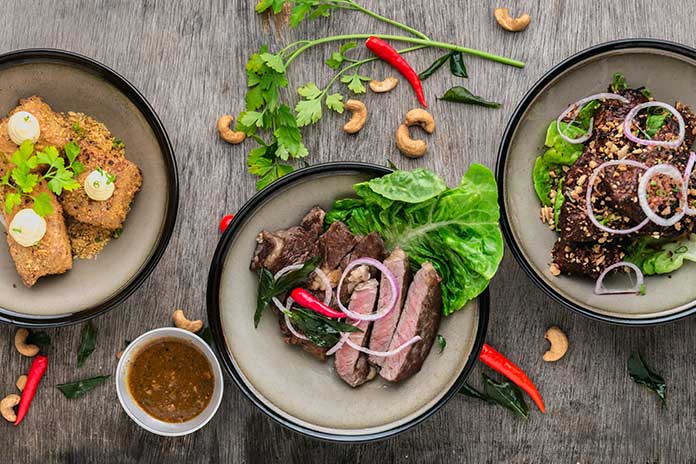
- Less is less: Focus primarily on unprocessed foods such as legumes, nuts, and whole grains. They trigger a lower insulin release, which means fewer cravings and less fat storage.
- Rhythm instead of deprivation: If you want to lose weight, you don’t necessarily have to skip meals. In fact, three meals a day can even prevent cravings.
- No more guesswork about calories: Constantly counting calories rarely brings the desired results and is primarily a drain on your nerves. Instead, rely on your body’s signals of fullness and, if needed, consult a nutritionist to create a personalized plan that fits your daily routine.
- Breaks are essential: Do you ever get that urge to suddenly stuff yourself after being super disciplined with your diet for the past two weeks? Consciously build in periods where you eat a little more freely, without any rules. Whether on weekends or according to a specific schedule is entirely up to you.
- Protein is your friend: Proteins provide quick and long-lasting satiety.
- Perfect snacks: nuts, a piece of cheese, natural yogurt, or quark.
Also Read: Alteration And Loss Of Taste During Menopause
Muscle Building: How to Lose Weight During Menopause and Stay Strong
When you lose weight, you often lose not only fat but also muscle mass. And muscle mass naturally declines from the age of 30 onwards, by about 1 percent per year. But muscles are extremely important: they protect your joints and boost your metabolism.
Therefore, dietary adjustments alone are not enough to achieve sustainable weight loss during menopause.
Exercise and Strength Training During Menopause
Here’s how to support your muscles:
- A good guideline is 150 to 300 minutes of moderate or 75 to 150 minutes of vigorous endurance exercise per week. Swimming, jogging, and cycling are very suitable for this.
- In addition, you will do two strength training sessions per week, each lasting about 20 to 30 minutes, to build muscle, in which you train all major muscle groups once.
- Additionally, balance training can help to further strengthen your muscles and coordination in everyday life.
How Stress and Emotions Affect Weight Loss During Menopause
You’re eating more consciously; your running shoes are ready. And yet nothing’s happening? Then stress could be the invisible obstacle.
Emotional Eating and Weight Gain
When frustration makes you hungry: Do you often reach for a bag of chips after a stressful workday? Emotional eating can make losing weight more difficult. A food diary can help you recognize patterns and gradually replace them with healthy alternatives, such as a walk, gardening, or a phone call with a loved one.
Stress, Cortisol, and Abdominal Fat
Stress makes you hungry: The stress hormone cortisol causes you to feel hungrier and more belly fat to accumulate. Think about activities that help you calm down, such as meditation, journaling, or exercise.
Sleep and Weight Management
Tired = stressed: If you don’t get enough sleep, you’re usually not only in a bad mood but also more stressed. This condition has a direct impact on your weight, making it harder to lose weight. So get as much sleep as you really need.
What Is Important When Losing Weight During Menopause?
During menopause, your body changes the rules: your calorie needs decrease, your hormonal balance is disrupted, and old habits suddenly feel different than before. But it forgot one small detail: it didn’t tell you. Three major changes at once—no wonder you’re frustrated.
Fortunately, you don’t have to start from scratch. Nutrition, exercise, and mental health all work together, and even small, consistent changes in all three areas will bring you more than one radical step.
Frequently Asked Questions About Weight Loss During Menopause
1. Is It Possible to Lose Weight During Menopause?
Yes, weight loss during menopause is possible, but it requires more patience than in younger years. Hormonal changes, lower calorie needs, and natural muscle loss make losing weight more difficult. A holistic approach that combines nutrition, exercise, and mental health is essential. Even small but consistent changes in these three areas can lead to success.
2. How Can You Lose Weight Despite Menopause?
At this stage of life, three factors work together to achieve successful weight loss: a tailored diet, regular exercise, and stress management. A change in diet alone is not enough; building muscle through strength training is also important, as muscle mass boosts metabolism. Stress management also plays a crucial role, because the stress hormone cortisol promotes hunger and the storage of abdominal fat. Old weight-loss strategies often no longer work now, so a new, individualized plan is needed.
3. What Should I Eat During Menopause to Lose Weight?
Focus on unprocessed foods like legumes, nuts, and whole grains, which reduce cravings. Protein-rich snacks such as natural yogurt, quark, or cheese provide long-lasting satiety and support muscle maintenance. Three regular meals a day can prevent cravings. Avoid constantly counting calories and instead trust your body’s signals of fullness. Consciously plan periods of more relaxed eating; this prevents binge eating after strict diets.
4. Which Hormones Help With Weight Loss During Menopause?
Hormone replacement therapy (HRT) won’t automatically make you lose weight. However, it can counteract the accumulation of abdominal fat (hormone belly) that many women experience during menopause and promote lean body tissue. At the beginning of therapy, the scale may show a slightly higher number for a short time. This is usually due to water retention, not additional body fat. It’s best to discuss whether HRT is right for you with a gynecologist.
Also Read: Losing Weight After Menopause: 4 Tips That Will Make It Easy To Lose Belly Fat