One of the most common things I hear from patients a few weeks into GLP-1 treatment is some version of the same sentence: “I’m just not hungry anymore. I barely eat anything.” They say it like it’s purely good news. And in some ways it is — that reduction in appetite is exactly what the medication is designed to do.
But here’s what I tell them: what you eat while on this medication matters just as much as how much you eat. GLP-1 treatment creates a window of opportunity. If you fill that window with the right foods, you protect your muscle, sustain your energy, and set yourself up for results that last. If you don’t, you can lose weight in ways that leave you weaker, more fatigued, and more likely to regain.
This guide is what I wish every patient got on day one.
Why Food Choice Becomes More Important, Not Less
When your appetite drops significantly — which it will — your total calorie intake goes down. That’s the goal. But when calories drop, every bite carries more weight. A 1,200-calorie day leaves very little room for nutritional error. If a significant portion of those calories comes from processed snacks or low-protein convenience foods, your body won’t have what it needs to maintain muscle tissue, support organ function, or sustain energy.
I’ve seen patients lose 30 pounds in four months and feel terrible — exhausted, mentally foggy, weak. And I’ve seen patients lose the same amount and feel better than they have in years. The difference almost always comes down to what they were eating, not how much.
Protein: Your Most Important Priority
If there’s one thing I ask patients to focus on above everything else, it’s protein. During any significant calorie deficit, your body can break down muscle tissue for fuel. GLP-1 medications don’t change that risk — they amplify it, because the calorie restriction tends to be more dramatic than patients achieve through diet alone.
The target I give most patients is 100 to 130 grams of protein per day, depending on body size and activity level. That’s not as complicated as it sounds, but it does require intention — especially when you’re not very hungry.
The most efficient protein sources are lean meats like chicken breast, turkey, and fish, along with eggs, Greek yogurt, cottage cheese, and protein shakes when solid food feels like too much. I specifically like Greek yogurt and cottage cheese for patients who are dealing with nausea early in treatment, because they’re easy to eat in small amounts and pack a solid protein punch per serving.
“My doctor told me to prioritize protein but I didn’t really understand why until month two,” said one of my patients, a 39-year-old woman named Diane. “Once I started hitting my protein target, my energy came back and I stopped losing muscle. I felt completely different.”
Vegetables: Volume Without the Calories
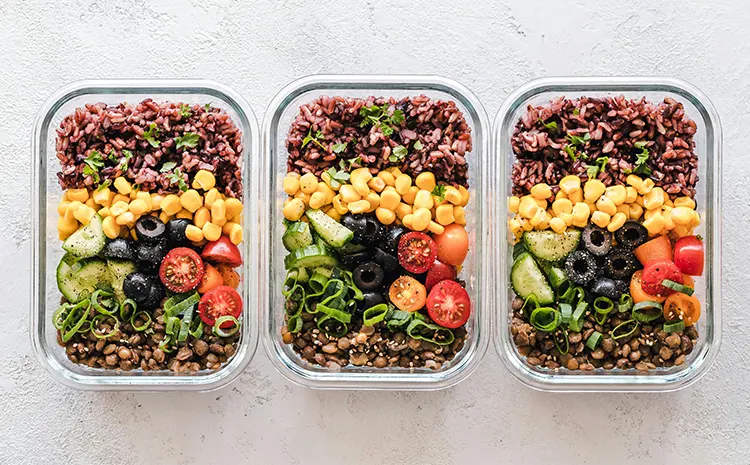
Non-starchy vegetables — leafy greens, broccoli, cauliflower, zucchini, bell peppers, asparagus — are some of the best foods you can eat on GLP-1 treatment. They provide fiber, micronutrients, and bulk without meaningfully impacting your calorie count.
Fiber is particularly important here. GLP-1 medications slow gastric emptying, which means food moves through your digestive system more slowly than usual. Getting adequate fiber helps keep things moving and reduces the constipation that some patients experience, especially early on.
The practical goal is to fill roughly half your plate with vegetables at each meal. When your overall food volume is lower, this also helps ensure you’re getting a broad range of vitamins and minerals that your body needs.
What to Limit or Avoid
High-fat foods — even healthy ones — can significantly worsen nausea on GLP-1 medication. Because gastric emptying is slowed, fat-heavy meals sit in the stomach longer and often trigger discomfort. Patients who eat a greasy meal in the early weeks of treatment frequently regret it.
Ultra-processed foods — chips, cookies, fast food, sugary drinks — are worth cutting back regardless of medication, but they’re especially counterproductive here. They tend to be low in protein, high in refined carbohydrates, and easy to eat even when not hungry, which undermines the appetite-suppressing effect of the medication.
Alcohol deserves a specific mention. Many patients find their alcohol tolerance decreases noticeably on GLP-1 treatment. Even one or two drinks can feel like three or four. Beyond that, alcohol adds empty calories and disrupts sleep quality, both of which slow progress. I’m not telling patients to stop entirely, but to approach it with awareness.
Meal Timing and Structure
One pattern I see cause problems: patients who wait until they feel genuinely hungry before eating, then skip meals entirely when hunger doesn’t arrive. This is easy to do on GLP-1 treatment because the hunger signals can become very quiet.
The problem is that if you go too long without eating, you may end up significantly under your protein target for the day, and your energy levels will suffer. I recommend eating on a loose schedule — roughly every four to five hours — rather than relying purely on hunger cues.
Smaller, more frequent meals also tend to sit better than large ones. The stomach’s slower emptying means a big meal can feel uncomfortable and stay with you for hours. Think of this as an opportunity to reset your eating patterns rather than a limitation.
Hydration — More Important Than Most People Realize
Dehydration is one of the most underappreciated issues in GLP-1 treatment. When appetite drops, thirst often drops with it. Patients who aren’t paying attention can become mildly dehydrated without realizing it, which compounds fatigue and headaches that they mistakenly attribute to the medication.
The target is simple: drink enough water that your urine stays pale yellow throughout the day. For most people that means eight to ten cups, though this varies by body size and activity. Electrolyte drinks without added sugar can also help, particularly for patients who are very active or who experienced significant nausea and vomiting early in treatment.
Supplements Worth Considering
Because total food intake is lower, some patients benefit from supplementation. The ones I most commonly recommend are a high-quality multivitamin, magnesium (which supports sleep and muscle function and is commonly deficient), and vitamin D, especially for patients in northern climates or those who spend limited time outdoors.
If you’re not reaching your protein target through food consistently, a clean protein powder — whey, egg white, or plant-based — can fill the gap without adding a lot of calories or volume.
Putting It All Together
GLP-1 medications are among the most effective tools we’ve ever had in obesity medicine. But they work best when supported by smart nutrition. Patients who understand the dietary side of treatment consistently get better results — more fat loss relative to muscle, fewer side effects, more sustained energy, and better long-term outcomes. If you’re researching your options or want to understand how today’s GLP-1 pills work alongside a nutrition strategy, speaking with a physician who specializes in this area is the best place to start.
The medication opens the door. What you eat determines how far you walk through it.